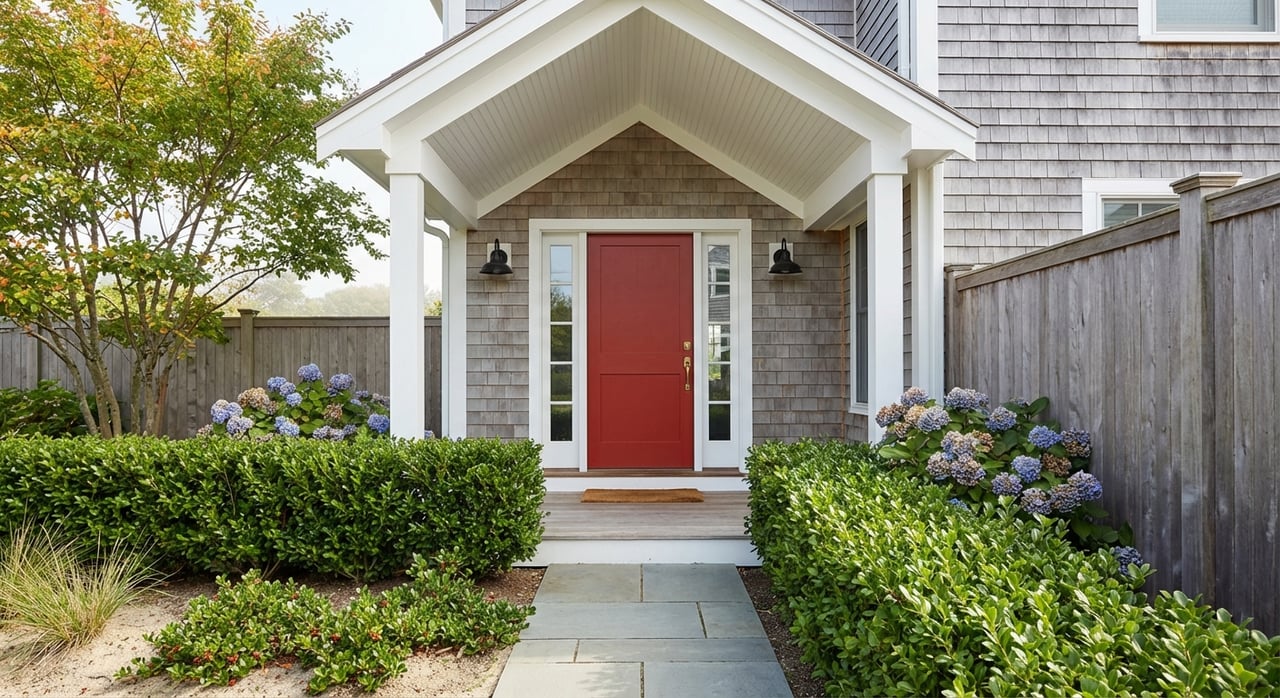
What To Know Before Selling A Luxury Home In Falmouth
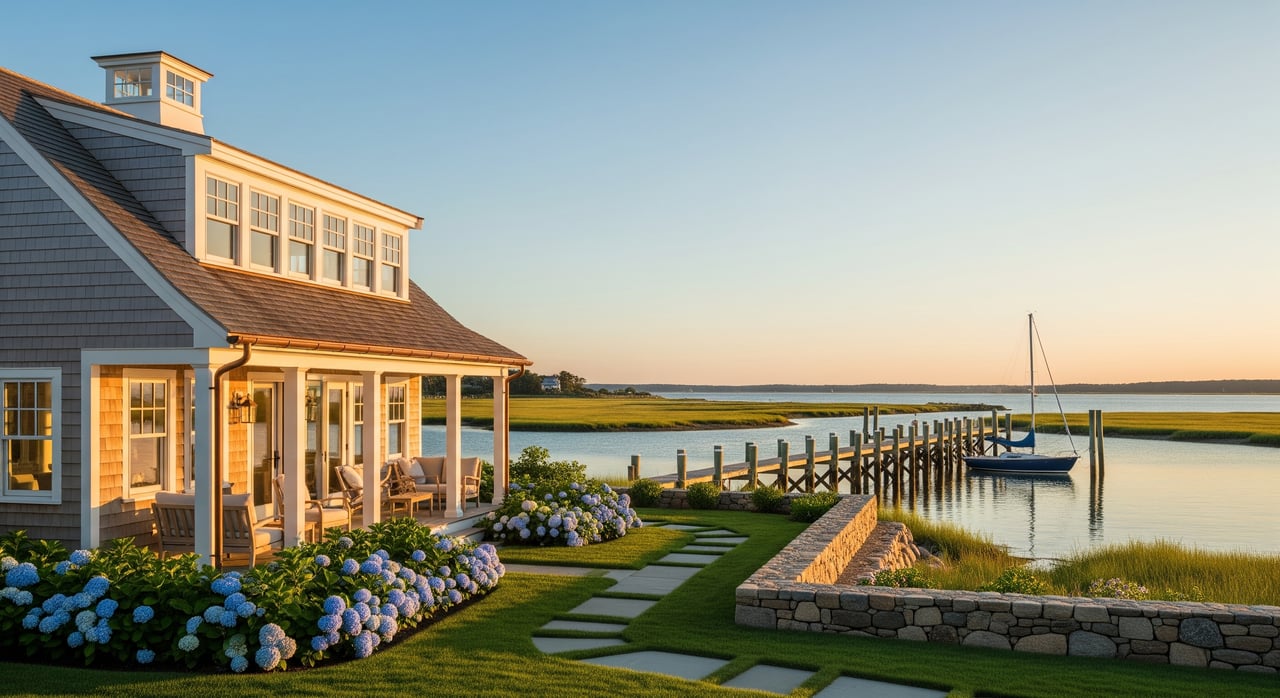
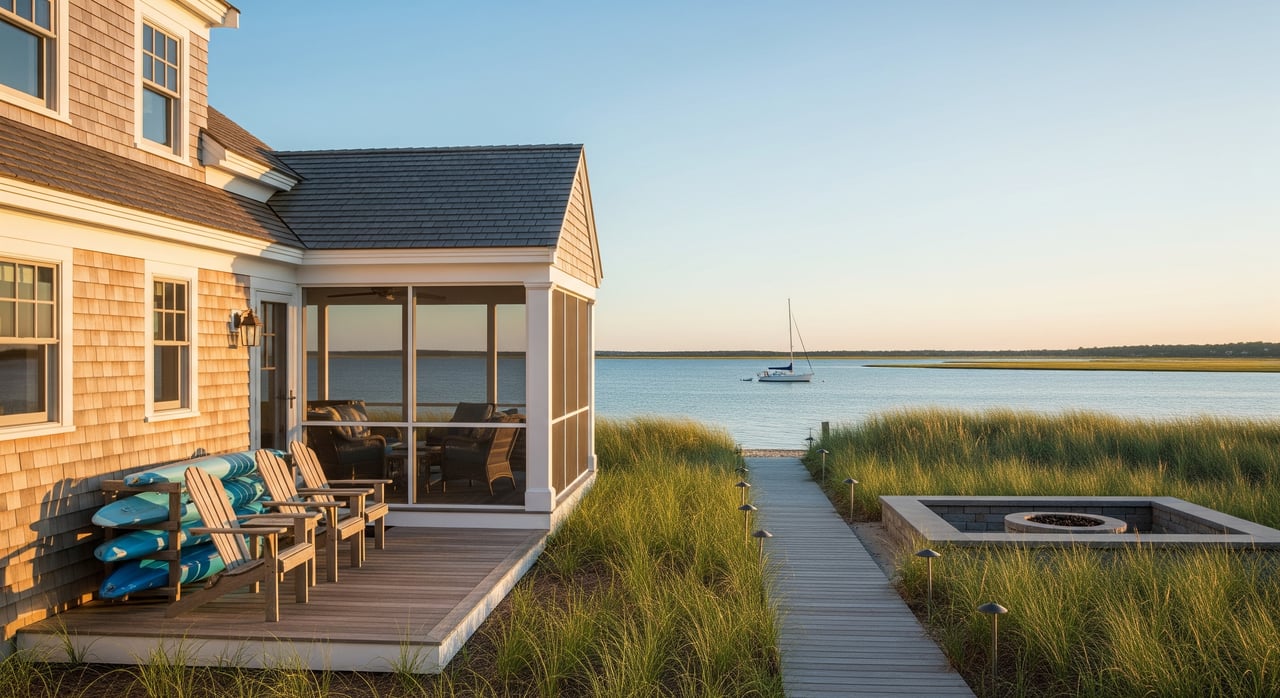
Thinking about selling a luxury or waterfront home in Falmouth? You are right to plan ahead. Upper-tier listings here draw discerning buyers who value views, privacy, and turnkey living, and they often take a different path to market than a typical sale. In this guide, you will learn how pricing, timing, preparation, permits, and marketing work for $1M-plus and waterfront properties in Falmouth so you can sell with confidence. Let’s dive in.
Luxury buyers on the Cape often come from Boston, the tri-state area, and beyond. Many shop seasonally and focus on lifestyle features like water access, protected views, and low-maintenance finishes. The region’s summer-driven economy brings heavy visitor traffic that shapes buyer attention and timing. Regional tourism data show strong seasonal swings, which is why exposure windows matter for sellers on the Cape (Data Cape Cod).
Upper-tier buyers also behave differently. Industry reports note a higher share of cash purchases at the luxury level, along with more deliberate due diligence and appointment-only showings (Coldwell Banker luxury market commentary via PR Newswire). In short, you are marketing a lifestyle to a targeted audience, not just square footage to the broad market.
Waterfront and seven-figure properties are often one of a kind. You may have few direct comparables, so price-setting takes careful adjustments for lot position, view corridor, private versus public beach access, dock or mooring potential, shoreline condition, elevation, and recent permits. Plan extra time to analyze comps, since appraisers will dig into these same variables.
On the water, the premium for orientation, privacy, and access can outweigh size. Many high-end buyers will pay up for a protected view or a turnkey renovation. Treat price per square foot as a loose reference, not a target. You want a data-driven range anchored by recent local sales and a marketing position that speaks to the home’s lifestyle value.
Most luxury sellers aim for spring through early summer to capture buyers who want to use a home in the same season. Listings prepared and photographed by late spring usually see the broadest audience. Fall can also be productive, especially for focused, locally based buyers who prefer less competition and quieter negotiations. There is no single best week. The right timing depends on your goals, your home’s readiness, rental schedules, and where your likely buyer is coming from. If you plan to sell a waterfront home that shows best in warm light, build your media timeline around that.
A strong launch starts with complete, accurate documentation. This is how you build trust and compress negotiation time.
In Massachusetts, many transfers trigger a Title 5 inspection. Inspections are valid for two years in most cases, or three with documented annual pumping. Order early so you can disclose results and address any needed work before buyers start due diligence. Review the state’s guidance on timing and reporting, and check Falmouth’s Board of Health page for local supplements and recent updates:
Waterfront buyers and lenders look for a current survey that shows bounds to mean high-water, plus elevation data. An elevation certificate can help buyers and insurers evaluate risk and cost. If part of your lot is in a FEMA flood zone, get ahead of it. FEMA’s tools and Letters of Map Change processes help clarify flood designations for underwriting and insurance: FEMA flood mapping and LOMC.
High-end buyers want a transparent file. Gather documentation for mechanical systems, smart home components, recent roof or HVAC upgrades, shoreline stabilization, and any landscape or hardscape work. Massachusetts has adopted new rules that protect buyers’ right to inspections and require a specific disclosure form in most residential sales under 760 CMR 74.00. Understand your obligations and prepare the form before launch: Residential home inspections overview.
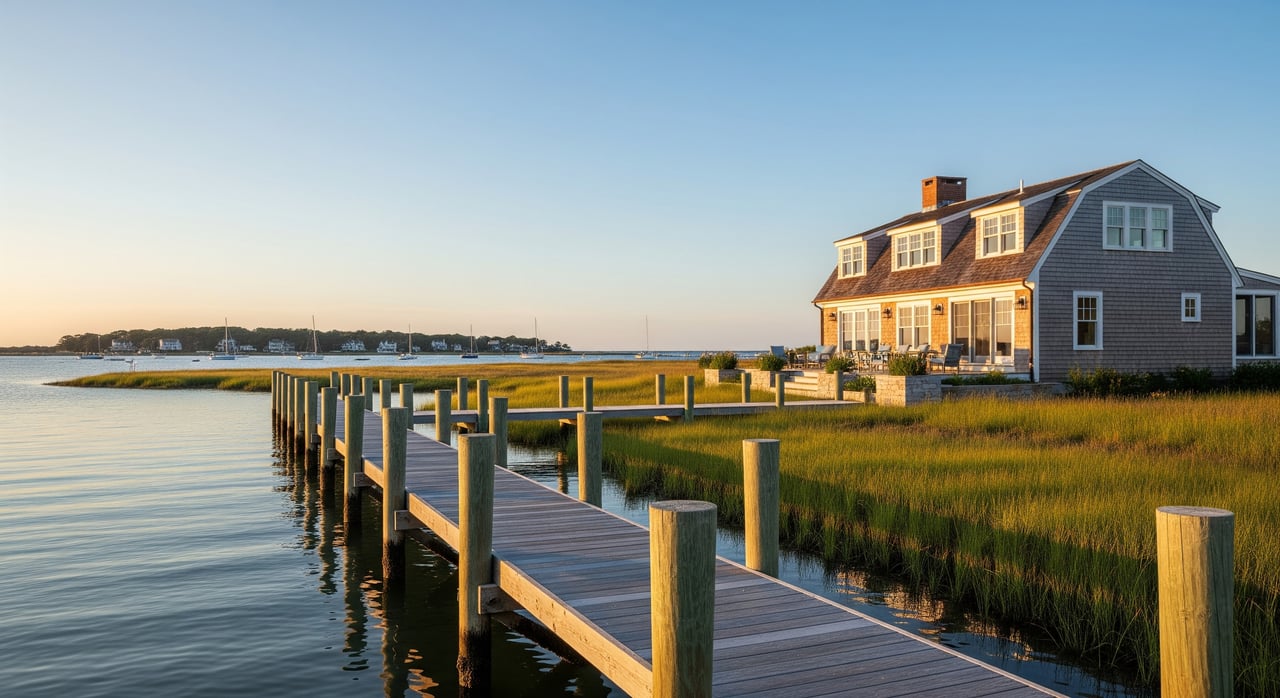
If your property includes a dock, pier, seawall, or bulkhead, confirm the permitting history. In coastal Massachusetts, certain structures require a Chapter 91 authorization through the MassDEP Waterways program, and many shoreline activities involve the local Conservation Commission. Organize Orders of Conditions, licenses, and related files for the data room: Coastal permitting and Chapter 91 overview.
If you reference a mooring, be clear. Moorings are managed by the Town and often do not transfer automatically with a sale. Confirm your status with the Harbormaster and be ready to clarify waitlists or private agreements: Falmouth Harbormaster and mooring info.
In the upper tier, presentation is not optional. National data show that staging can shorten time on market and improve outcomes, and luxury buyers expect a curated experience that highlights how a property lives, day and night. Review staging research and plan your media suite accordingly: NAR staging insights.
For Falmouth luxury and waterfront listings, the standard deliverables usually include:
If you use drone media, confirm compliance. Commercial flights must follow FAA Part 107 rules, including pilot certification, drone registration, and required airspace authorizations. Ask your media vendor for proof before anyone launches: FAA Part 107 overview.
A strong luxury campaign does more than list on the MLS. Expect a tailored mix of digital and offline placement that meets qualified buyers where they are.
What a complete plan often includes:
Many top brokers also leverage curated luxury networks and global channels to expand reach. Ask your agent to list exactly where your home will be syndicated and to provide sample campaign metrics from past listings.
Luxury buyers often tour by appointment and may complete more upfront due diligence. You will likely host fewer showings, but with more qualified prospects. Many upper-tier buyers are prepared or pre-vetted, and a meaningful share purchase with cash, which can simplify financing risk and timelines (Coldwell Banker luxury market commentary via PR Newswire).
From launch to close, plan for 45 to 120 days or more, depending on price point, demand, and any waterfront-specific issues. Surveys, flood-zone questions, septic remediation, or permit clarifications can extend due diligence and underwriting. Identifying these items early helps keep escrow clean and reduces last-minute renegotiation. For septic steps and timelines, revisit the state’s Title 5 guide: Mass.gov Title 5 guide. For flood mapping clarity, use FEMA resources: FEMA flood mapping.
Luxury sellers should expect clarity, proof, and a plan. Use this checklist to interview agents:
If you are planning to sell this year, start with documentation, then build your media and launch timeline around the Cape’s exposure windows. A thoughtful pricing strategy, complete permits and records, and a luxury-grade campaign will attract the right buyers and reduce friction at the offer stage. If you want a clear, concierge process from pricing through close, we would love to help. Get your instant home valuation and a tailored plan with Team Franklin.


Get assistance in determining current property value, crafting a competitive offer, writing and negotiating a contract, and much more. Contact us today.