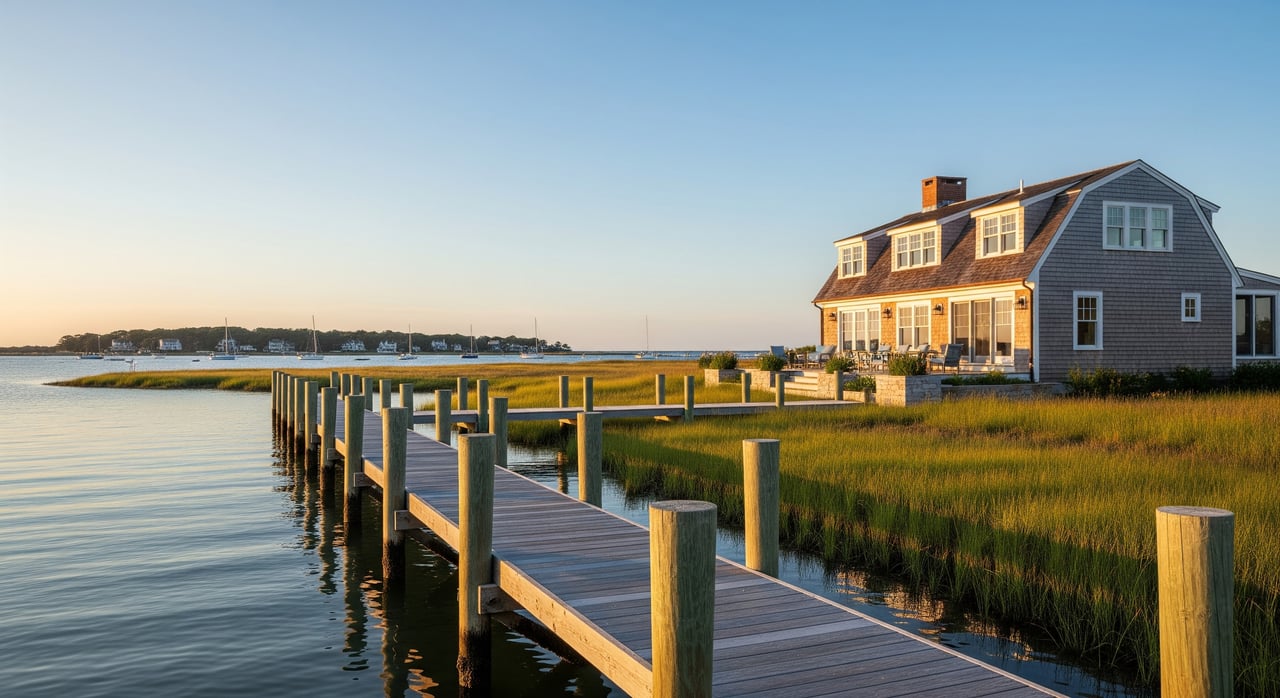
Chatham Waterfront Terms Buyers Should Know
Is “oceanfront” the same as “beachfront”? Does “mooring included” mean you can keep your boat right away? If you are eyeing a Chatham waterfront home, the listing language matters. You want the view, the access, and the lifestyle you expect. This guide breaks down the most common terms you will see in Chatham listings and what they mean for ownership, use, permitting, and risk. Let’s dive in.
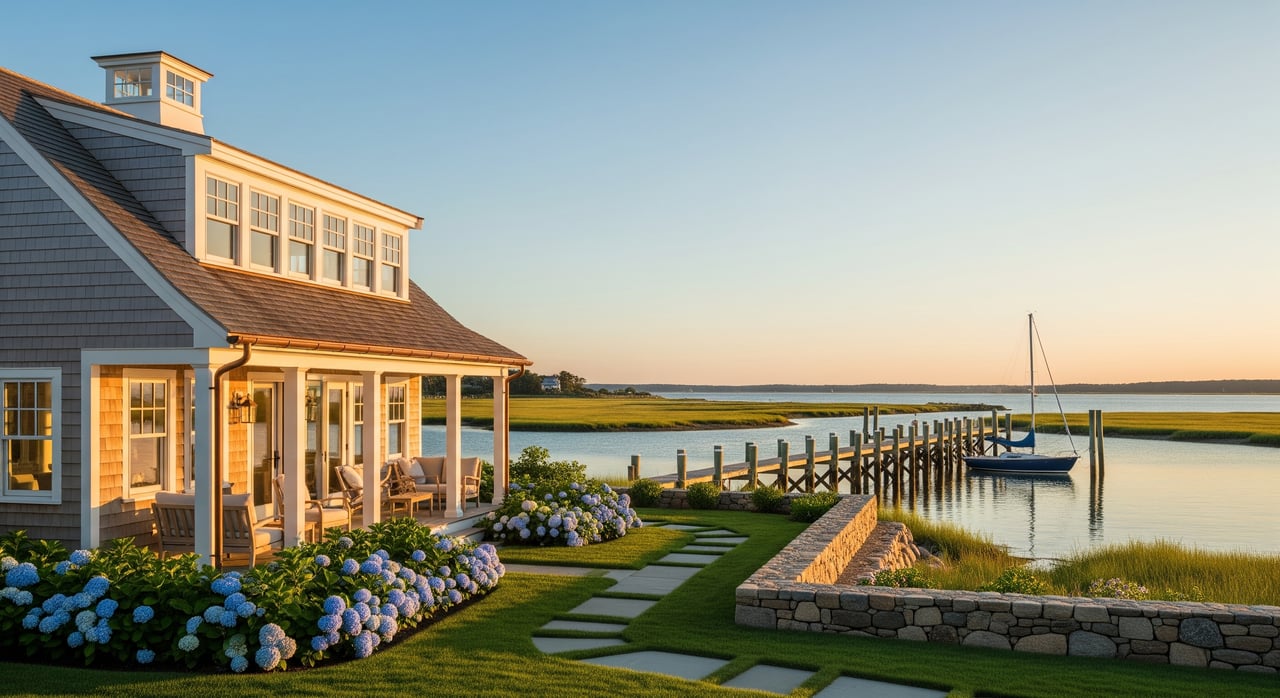
Waterfront means the property directly touches a waterbody with no land between the lot and the shore. In practice, legal boundaries still matter. A marketing term does not define how far seaward your private ownership extends.
Waterview means you can see the water, but the property does not touch it and typically has no on‑site access.
Buyer takeaway: Ask for the deed and a current survey to confirm exact frontage and any public or private easements across the property.
In Chatham, oceanfront usually refers to shoreline exposed to the Atlantic’s surf, tides, and storms. These properties face stronger wind and wave energy and may carry higher erosion risk.
Buyer takeaway: Expect stricter coastal construction standards, possible storm surge exposure, and more robust flood resilience requirements.
Bayfront or harborfront properties face more sheltered waters such as harbors, bays, or sounds. Water conditions are often calmer and may be suitable for boating and moorings.
Buyer takeaway: Access can be excellent for boating, but tidal range, navigation channels, and water depth still affect usability and mooring options.
Riverside or estuary frontage in Chatham often means tidal creeks and rivers that feed larger harbors. These areas are ecologically sensitive and may have seasonal changes in flow and water level.
Buyer takeaway: Expect additional wetland protections, potential mosquito considerations, and specific rules for resource areas like salt marshes.
Beachfront suggests a property fronts a sandy beach with immediate access to the sand. Always confirm the high‑ and low‑water lines and any public rights in the intertidal area.
Beach access can be public, private, or via an association. The phrase alone does not tell you if access is exclusive, shared, or simply nearby.
Deeded beach rights are recorded in the chain of title and define who can use a beach and under what conditions.
Buyer takeaway: Verify access through the deed and title records, homeowner association documents, and the registry of deeds. Clarify whether access is exclusive, shared, seasonal, or fee‑based.
A dock, pier, or float is a structure attached to the shore or pilings that provides access to the water. These usually require permits from local and state authorities and sometimes federal review.
A slip is a berth in a marina. A mooring is an anchored buoy offshore, typically assigned and regulated by the Harbormaster.
Buyer takeaway: If a listing mentions a private dock, confirm permits, licensing, and maintenance responsibilities. If it mentions a mooring, confirm whether the permit can transfer to a new owner and what rules apply.
Many Cape towns manage moorings with waitlists. In Chatham, rules, fees, and transferability are set by the Harbormaster and can change.
Buyer takeaway: “Mooring included” is not the same as “eligible to apply.” Contact the Chatham Harbormaster to confirm assignment status, transfer rules, fees, and average wait times.
Mean High Water (MHW) and Mean Low Water are tidal datums that help define where private property ends and where public trust rights begin. Many deeds stop at MHW. Below that line, tidelands are typically subject to public rights and state jurisdiction.
Buyer takeaway: Your “frontage” may end inland of visible wet sand. Do not assume you control the intertidal zone in a way that excludes public use.
Request a current survey that shows property lines to the MHW line. Review the deed and title for beach rights, rights of way, utility easements, and any conservation or historic restrictions. The Barnstable County Registry of Deeds holds recorded documents.
Buyer takeaway: Recorded deed language is decisive. Marketing shorthand is not a legal description.
Massachusetts Chapter 91 regulates use of tidelands and navigable waterways. Work below the MHW line, such as docks or ramps, often requires licensing and may include conditions to protect public rights.
Buyer takeaway: Adding or altering coastal structures can trigger Chapter 91 review. Plan for time, costs, and potential limits on private exclusive use below MHW.
The Town of Chatham Conservation Commission administers the Wetlands Protection Act for coastal banks, salt marshes, dunes, and floodplain areas. The Building Department enforces local building codes and floodplain rules. The Harbormaster manages moorings and harbor safety.
Buyer takeaway: Verify that existing structures were properly permitted and closed out. Unpermitted work can be costly to legalize or may be denied.
Coastal parcels in Chatham may be in VE or AE flood zones, each with specific elevation and foundation standards. VE zones carry higher wave impact and often higher premiums.
Buyer takeaway: Obtain the FEMA flood zone for the lot, request an elevation certificate if available, and get flood insurance estimates early in your due diligence.
Seawalls, revetments, and beach nourishment are heavily regulated and often require engineering and ongoing maintenance. Many authorities prefer softer solutions where feasible.
Buyer takeaway: Understand permits, maintenance obligations, and potential limits on hard shoreline structures before you buy.
Shellfish beds and tidal flats may be managed for conservation and harvesting. Ownership of waterfront property does not give automatic control over shellfish resources.
Buyer takeaway: Check with local officials for any shellfish closures or rules that affect access and use.
Chatham may regulate short‑term rentals, including registration, occupancy, parking, and septic use. Neighborhood covenants or association rules can add further limits.
Buyer takeaway: If you plan to rent seasonally, review current town regulations and any association documents before making an offer.
Use these questions to move from listing language to facts:
Waterfront status and rights
Moorings and marina logistics
Structures and permits
Flood risk and insurance
Access, parking, and association rules
Environmental and resource checks
Title and insurance red flags
When you see these phrases, ask for the backup:
If you are narrowing in on a Chatham waterfront, build a due diligence plan that covers title and survey, flood and insurance, mooring status, and any coastal permits tied to the property. Coordinate early with the Town of Chatham Harbormaster, Conservation Commission, and Building Department so you can validate claims and timelines. Consider engaging local counsel or a title company with Cape Cod waterfront experience for deed interpretation and closing support.
You do not have to navigate this alone. If you want a calm, methodical approach that respects your time and priorities, connect with Team Franklin for guidance tailored to your goals and the realities of the Chatham shoreline.


Get assistance in determining current property value, crafting a competitive offer, writing and negotiating a contract, and much more. Contact us today.