How Falmouth’s Villages Compare For Second-Home Buyers
Choosing a second home on Cape Cod can feel tricky when one town offers so many distinct lifestyles. In Falmouth, each village has its own rhythm, shoreline, and pricing patterns, which affects how you spend your weekends and what it costs to own. If you want easy beach days, a lively walkable scene, or quiet harbor time with a boat, the right fit matters. This guide breaks down the key differences so you can compare options with confidence. Let’s dive in.
Woods Hole feels like a classic maritime village with an intellectual edge. Research institutions lend a year-round hum, and the area sees its peak in summer with ferry traffic. It offers a unique mix of quaint waterfront and active scientific community.
You get immediate access to the Steamship Authority ferries and Vineyard Sound. Harbors and moorings make day boating and island trips straightforward. If island access is a priority, this village stands out.
The compact core is very walkable, with seafood spots, cafes, and small shops close together. Parking can be tight in summer, so many owners and guests prefer walking once they arrive.
Expect historic cottages and older homes on smaller lots near the village. Inventory is limited and many properties have been renovated for year-round comfort. Large lots and easy garage space are less common.
Woods Hole is one of Falmouth’s higher-priced micro-markets because of scarcity, walkability, and waterfront proximity. Listings move selectively and turnover is low.
Best fit if: You want an authentic village experience with walkability and direct island access.
Falmouth Heights delivers the classic Cape beach feel with an active summer buzz. Expect a lively atmosphere when the weather is warm.
Falmouth Heights Beach and the Surf Drive shoreline offer sandy stretches and swimming on Vineyard Sound. Boating options are available from nearby harbors for those who like to get out on the water.
You can stroll to restaurants, casual bars, and seasonal vendors along the beach corridor. Summer brings more traffic and parking demand near the beach.
You will see small cottages, mid-century capes, and a number of condos. Many properties have been updated or converted for easier ownership.
Prices vary widely based on proximity to the beach. Waterfront and near-beach homes trade at a premium while interior lots can be more attainable.
Best fit if: You prioritize beach time and appreciate a walkable, summer-forward neighborhood.
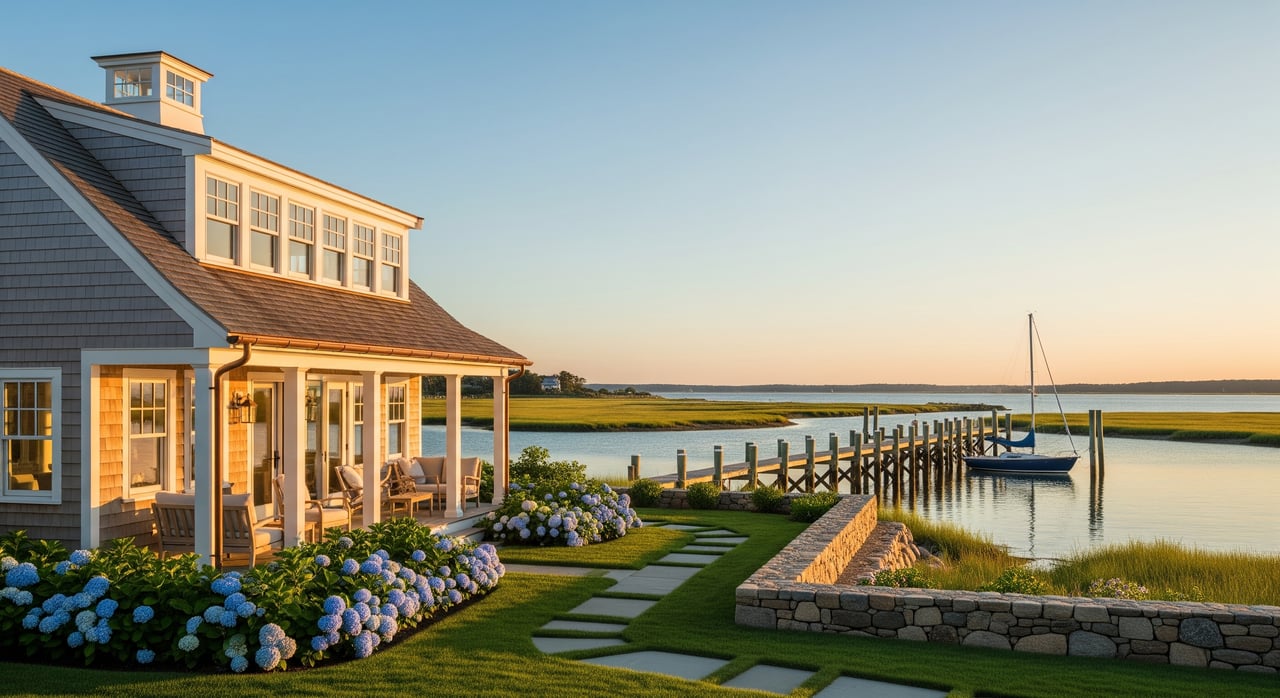
West Falmouth feels tranquil and residential, with a strong conservation presence. Marshes and harbor views give it a quiet, scenic character.
West Falmouth Harbor and sheltered waterways suit owners who value calm water and private docking. You will find small public beaches and landings, plus extensive conservation areas.
Commercial amenities are limited within the village, so plan on short drives for restaurants and groceries. Walkability is modest outside small local pockets.
Properties often sit on larger lots. You will see custom homes, older farm and colonial styles, and waterfront estates with notable privacy.
Waterfront estates and deep-water parcels command top-tier pricing. Off-water properties can be more moderate, supported by larger lots and privacy.
Best fit if: You want a serene retreat, room to spread out, and potential for private dockage.
North Falmouth has a more suburban feel with year-round communities. Summer activity picks up around its popular beaches.
Old Silver Beach on Nantucket Sound is a major draw for sunsets and swimming. Marinas and inlets offer boating options with access to the Sound.
You will find small commercial clusters, but most owners drive for services and dining. Expect seasonal crowds at key beach corridors in summer.
The area includes Cape cottages, ranches, and newer single-family homes. Near-beach condos and multi-unit options appear along certain corridors.
Pricing spans a broad range. Beachfront and close-in properties run higher; inland homes are often more affordable than waterfront in Woods Hole or West Falmouth.
Best fit if: You want strong beach access and a good balance of value and lifestyle.
Historic downtown blends a harborfront feel with shops, galleries, and restaurants. It stays lively year-round compared with more seasonal beach neighborhoods.
You have inner harbor access with moorings and boat services close by. While long sandy beaches are not the focal point here, the harbor scene is a highlight.
This is one of the most walkable parts of town. If fewer car trips and an active village life appeal to you, it is a strong fit.
Look for Victorian and Greek Revival homes near downtown, plus cottages and some newer infill. Condo opportunities pop up in and around the core.
Walkability and downtown charm carry a premium. Prices vary by proximity to the harbor and main streets.
Best fit if: You want a true village experience with easy access to dining, shops, and events.
These areas feel more residential and suburban compared with the tight village cores. East Falmouth often offers more inventory and larger parcels.
Megansett Harbor provides access to Vineyard Sound along with some public beaches. Boaters can find marina facilities and moorings through local channels.
Expect a mix of ranches, capes, and larger inland lots. You will also find pockets of waterfront and near-water opportunities in specific neighborhoods.
These areas can deliver more space and relative affordability while keeping you on the Upper Cape. Values depend on proximity to water and specific neighborhood features.
Best fit if: You prefer larger lots, more inventory to choose from, and a residential feel.
Many Cape towns regulate short-term rentals with local registration, safety standards, and potential occupancy or parking rules. If rental income matters, confirm current Town of Falmouth requirements and whether any registration is transferable.
Large parts of Falmouth use private septic systems. Ask for Title 5 status, capacity, and age, and check whether the property lies in a sewer district or has a future tie-in or assessment planned.
Waterfront and near-coast homes may sit in FEMA flood zones. Review flood maps, elevation certificates, and current premiums, since insurance can change total cost of ownership.
Some areas fall under historic or conservation oversight. Understand any limits on expansions, docks, accessory buildings, or site work before you plan improvements.
Verify heating systems, frozen-pipe risk, and whether the home is set up for seasonal or year-round use. Remote owners often line up local vendors for storms and maintenance.
Summer congestion increases demand for off-street parking and easy in-and-out access. Confirm on-site capacity and local rules for guests.
Budget for property taxes, utilities, homeowners and flood insurance where applicable, and routine upkeep. Waterfront maintenance can include seawalls, bulkheads, and dock care.
Every Falmouth village gives you a different mix of shoreline, lifestyle, and ownership realities. Whether you want Woods Hole’s walkable harbor scene, West Falmouth’s privacy, or the beaches of Falmouth Heights and North Falmouth, the right fit comes down to how you plan to use the home and what you want to maintain over time. If you are buying from afar, a local guide who can preview homes, coordinate inspections, and manage logistics makes all the difference.
If you are ready to compare villages, set up tours, or talk through costs and rental potential, connect with Team Franklin for local guidance and a seamless, concierge-style process.

Get assistance in determining current property value, crafting a competitive offer, writing and negotiating a contract, and much more. Contact us today.