A Visual Tour Of Classic Coastal Home Styles In Chatham
Salt air, weathered shingles, and light that shifts with the tide. If you picture that when you think of Chatham, you’re already seeing the story its homes tell. Whether you’re dreaming about a classic Cape near Main Street or a sweeping shingle estate with harbor views, knowing the styles you see around town helps you appreciate the market and spot the right fit. In this guide, you’ll learn how to identify Chatham’s signature home styles, where you tend to find them, and what details to capture on a visual tour. Let’s dive in.
Chatham began as a seafaring village, then evolved into a summer resort as travel improved in the late 19th and early 20th centuries. That shift added larger shingled summer houses and Colonial Revival estates along the harbor and Shore Road, layered over earlier village Capes. The town’s historic surveys and museum records trace this pattern and the concentration of summer houses near the waterfront. You can dig deeper in the town’s Survey Plan and state historic inventory for context on neighborhoods and notable homes (Chatham Survey Plan, Massachusetts Historical Commission).
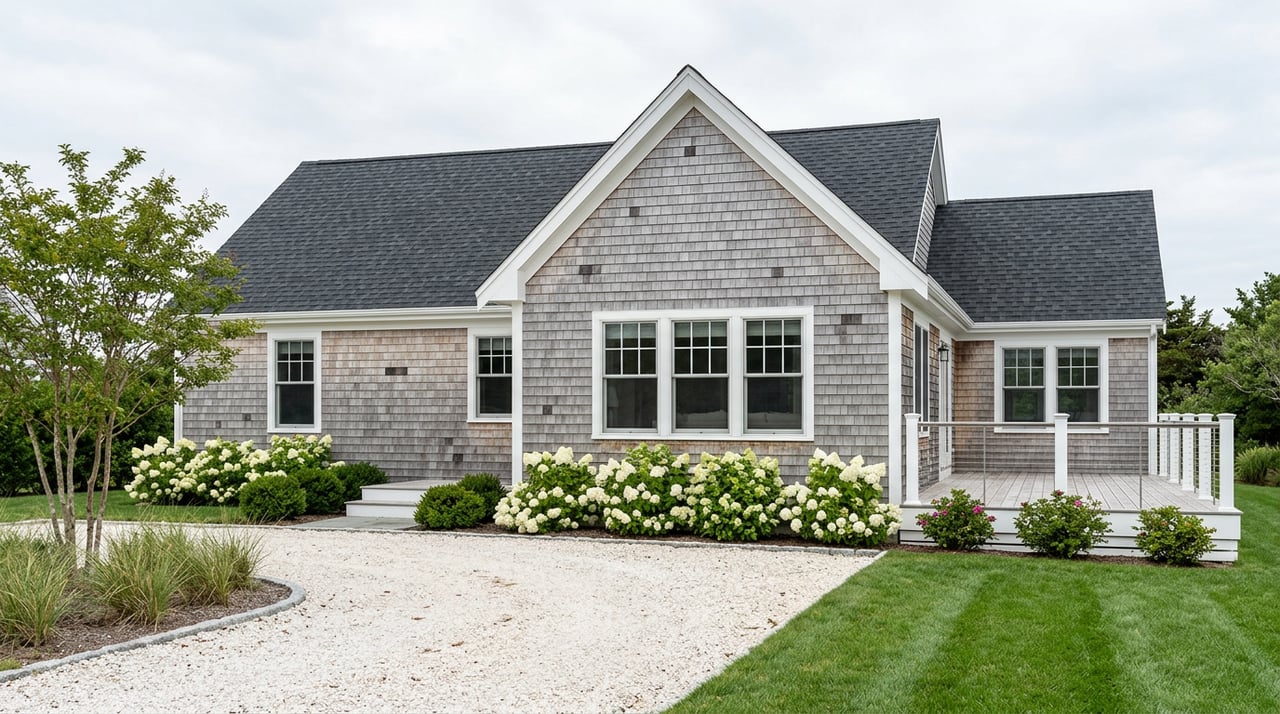
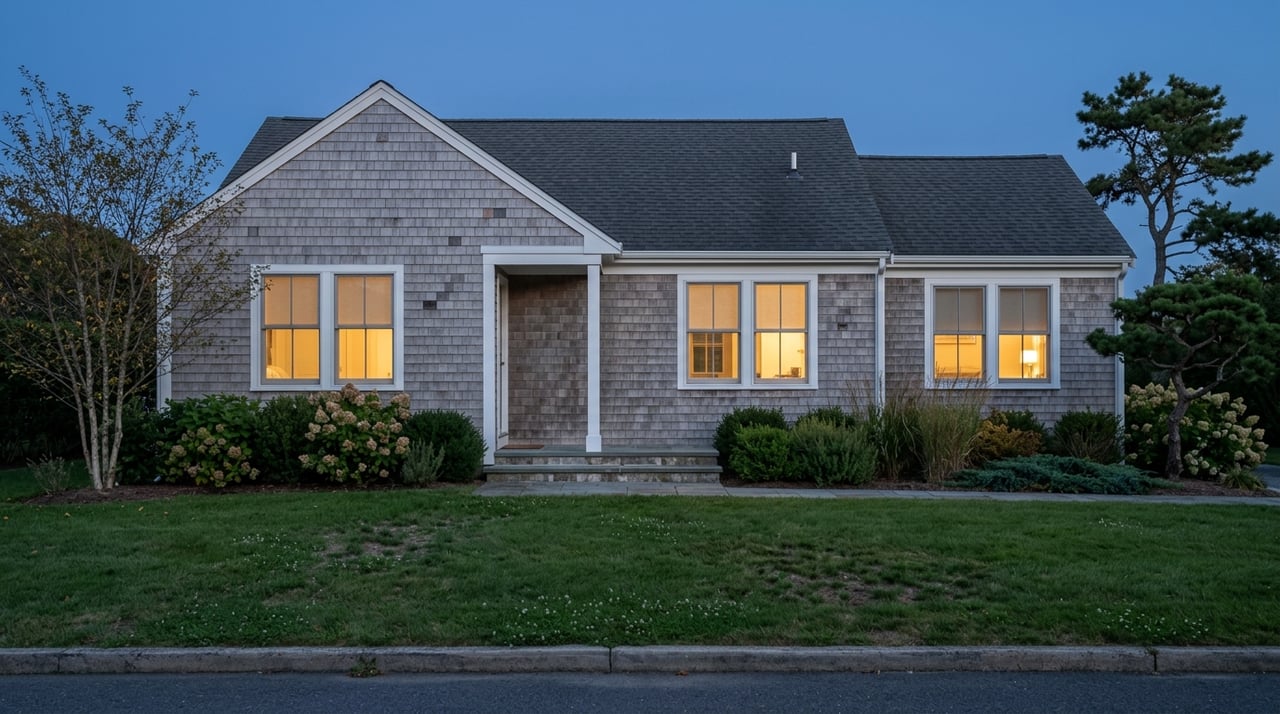
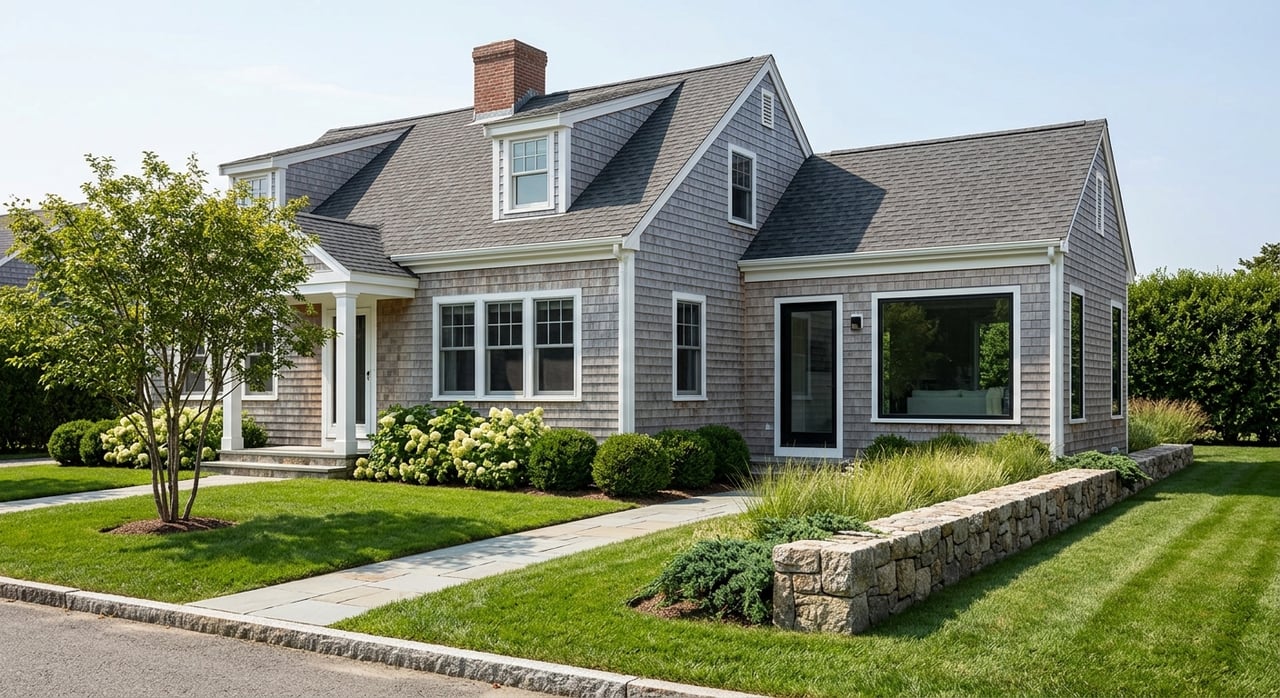
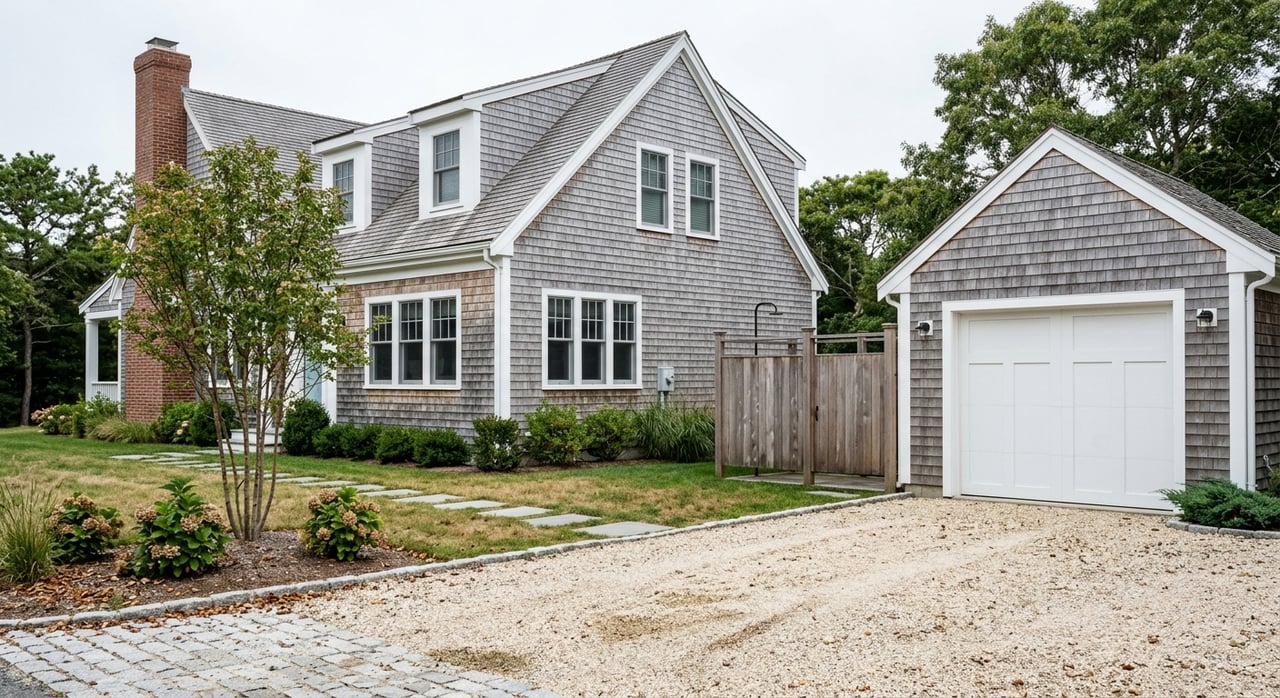
These are the compact, enduring homes that give Chatham’s village streets their rhythm. Look for a low 1 to 1½ story form, a steep side-gabled roof, and a symmetrical front with a centered door and evenly spaced windows. Exterior cladding is usually cedar shingles or clapboard. Dormers and small rear additions are common updates that keep the traditional silhouette.
Inside, earlier Capes were very efficient, often one or two rooms deep with a central hearth. Many have been adapted over time with dormers, a central hall, or a modest kitchen expansion. For a timeless overview of the type, see this plain-English guide to the Cape Cod house (NewEngland.com).
Where you’ll find them: Main Street and the older village neighborhoods, plus many South and West Chatham streets. These areas hold a high concentration of historic Capes documented in local surveys (Chatham Survey Plan).
What to photograph:
Shingle Style came of age on the New England coast and suits Chatham’s shoreline. You’ll notice continuous wood shingles flowing across walls and roof, informal massing, and complex rooflines with gambrels and cross gables. Porches are broad and welcoming, and the whole house reads as one organic volume that fits the landscape. For a concise style primer, see the Shingle Style overview from Britannica (Shingle Style summary).
Inside, expect loose circulation, larger public rooms, and easy access to porches and terraces. Bedrooms often sit in wings to frame views. In Chatham, many of these homes began as summer residences designed for outdoor living.
Where you’ll find them: Shore Road, Stage Harbor, and harbor-adjacent streets. Late 19th and early 20th century examples, along with restored versions, cluster on these waterfront corridors (Chatham Survey Plan).
What to photograph:
Colonial Revival language, scaled up for the coast, is a hallmark of Chatham’s landmark estates. Think formal symmetry, classical door surrounds and columns, and large two-story massing. Exteriors are often shingled or clapboard to fit the coastal vernacular, but the composition stays crisp and balanced.
Inside, you typically enter a central hall with generous public rooms. Many renovations blend this classical framework with open kitchens and expanded service wings. Recent case studies show how designers preserve formal facades while modernizing interiors for everyday life (Ocean Home feature).
Where you’ll find them: Prominent Shore Road addresses and elevated harborfront lots. Several of the town’s best-known properties use this vocabulary in a coastal setting (Chatham Survey Plan).
What to photograph:
Earlier captains’ houses and village residences show Federal and Greek Revival symmetry, with transoms, sidelights, and gable-end returns. In pockets, you may see Italianate or Queen Anne details on later village houses, like brackets, bay windows, or turned porch posts. Town and state inventories note surviving examples in the older road network near the original center (MHC reconnaissance).
Where you’ll find them: Scattered along older streets and near the earliest settlement areas. They help tell the town’s evolution from maritime village to resort community.
What to photograph:
Newer, high-end builds often blend shingle or white clapboard skins with large expanses of glass, open great rooms, and multi-level decks. Designers place windows and porches to capture light and water views, while coastal detailing handles weather and site constraints. Materials may include traditional cedar shingles or modern products that mimic them.
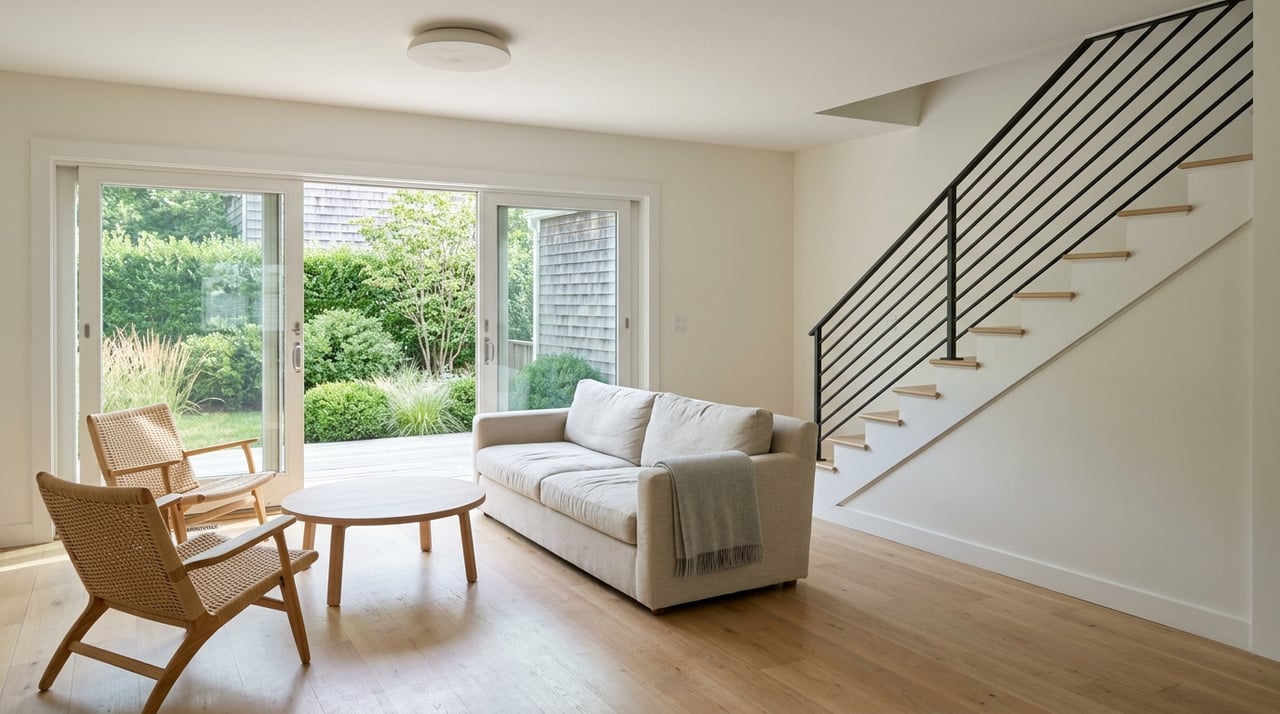
Inside, you’ll see open kitchens, tall ceilings, and clear indoor-outdoor connections. Many plans separate service zones for efficient living and entertaining. Recent regional projects show how contemporary lines pair with classic materials on the Cape (New England Home gallery).
What to photograph:
Chatham’s styles also map to setting. Along Shore Road, Stage Neck, Stage Island, and other harborfront pockets, you’ll find large shingled mansions, renovated Colonial Revivals, and bespoke modern coastal homes. These waterfront addresses typically anchor the top tier of local pricing. In the village core near Main Street and around Oyster Pond, cottage-scale Capes and historic houses shape a walkable feel. Prices remain elevated by broader Cape standards, yet can sit below the premier waterfront tier.
West Chatham, Nickerson Neck, and the Eastward Ho corridor mix protected-bay addresses and golf-adjacent homes, often on larger lots. South Chatham, North Chatham, and interior streets include more modest coastal or suburban parcels where restored Capes and mid-size homes are common. For a landscape lens on how history and setting shape neighborhoods, the region’s heritage inventory offers helpful background (Cape Cod Commission inventory).
A quick market note for context: across the town, typical values often sit in the seven-figure range, with waterfront properties at the highest end. Individual values vary widely by lot, view corridor, and renovation level. Always evaluate a specific property’s setting, size, and condition to understand its place in the market.
A strong visual tour starts with simple storytelling. Use these field notes to guide your shots:
If your route includes beaches or public overlooks, check seasonal access details in advance so you can plan the best light and vantage points (Chatham beach and visitor info).
A balanced loop might start on Main Street for village Capes, then head to Shore Road and Stage Harbor for shingle and Colonial Revival landmarks. Add a stop by the Chatham Windmill for a sense of heritage, and finish with a shoreline walk near Hardings, Ridgevale, or Cockle Cove for late light and open horizons. For more historic context or inspiration, the Atwood Museum’s collections and programs offer rich local background (Chatham Historical Society / Atwood Museum).
Ready to explore homes in person or position your property for the market? Reach out to Team Franklin for a curated tour, thoughtful valuation, and white-glove guidance tailored to Chatham’s coastal styles.
Get assistance in determining current property value, crafting a competitive offer, writing and negotiating a contract, and much more. Contact us today.