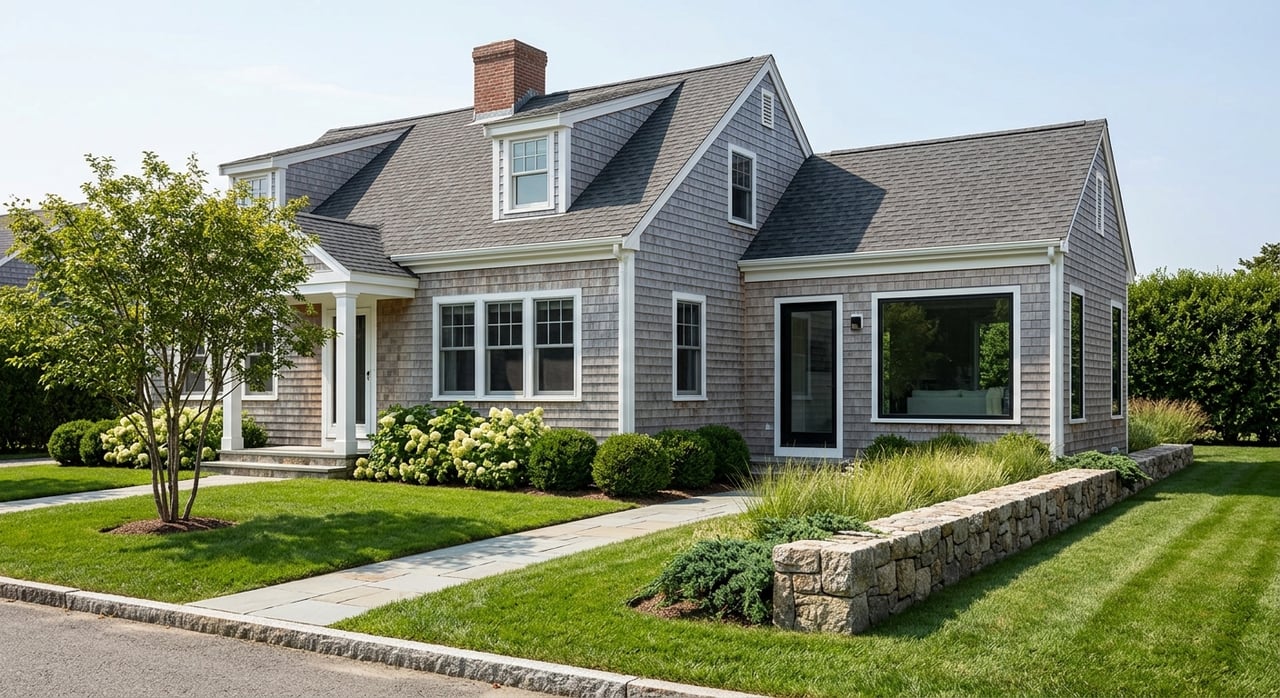
What Buyers Should Know About Sandwich’s Neighborhoods
Wondering which part of Sandwich feels right for your next home? This Upper Cape town offers a surprisingly wide range of neighborhood settings, from historic village streets and beachside pockets to lower-density residential areas with larger lots. If you are comparing locations, home styles, and day-to-day convenience, this guide will help you understand how Sandwich’s neighborhoods differ so you can focus your search with more confidence. Let’s dive in.
Sandwich is one of Cape Cod’s oldest towns, first settled in 1637, and its layout reflects that long history. According to the Town of Sandwich community profile, the town had 19,954 residents as of January 1, 2024 and covers about 43.95 square miles.
That larger footprint matters when you start house hunting. Sandwich is not just one type of market. The town’s planning framework breaks it into several residential pockets, including the Historic Village Center, East Sandwich, North Sandwich, the Ridge District, South Sandwich, Forestdale, and the Scusset Beach Area, each with a different feel and housing mix.
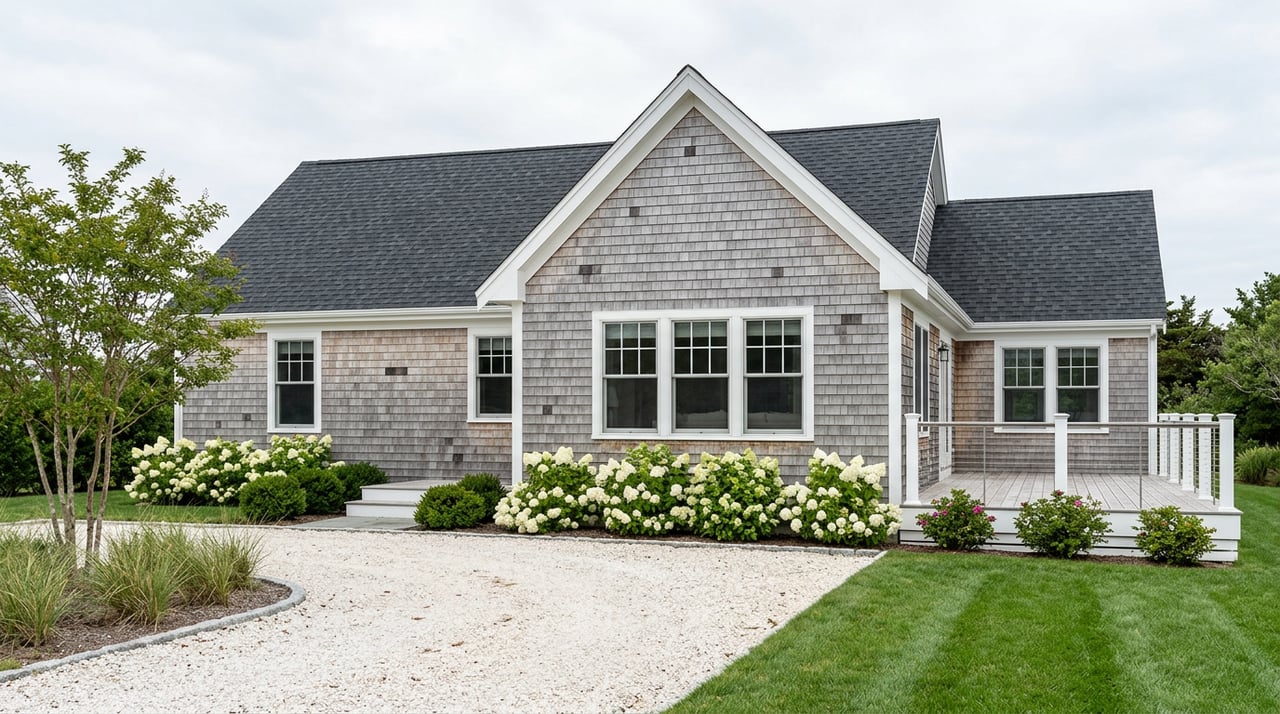
If you are drawn to classic Cape Cod character, the Historic Village area is often the first place to explore. The town’s comprehensive plan describes the Village Center Neighborhoods surrounding the historic core as some of the most prestigious areas in Sandwich, with limited new construction over the prior 20 years.
You can also expect an older housing mix here. A current village-area profile shows a median construction year of 1967, with 24.6% of homes built before 1940, which gives you a sense of the age and variety you may encounter.
Another important factor is historic review. Much of the village and Route 6A corridor falls within the Old King's Highway Historic District, which covers properties north of the centerline of Route 6 to the Cape Cod Bay low-water line. For buyers, that can affect exterior changes, renovations, and approvals.
This part of Sandwich can be a strong fit if you want:
If you love charm and a more traditional village setting, this is often a compelling place to start. If you want newer construction or fewer historic-review considerations, you may prefer inland neighborhoods.
For many buyers, the biggest draw in North Sandwich is proximity to the bay, beach areas, and canal-side scenery. But these areas are not all the same, and lot size can vary quite a bit depending on the specific pocket.
The town plan notes that Town Neck began as a seasonal resort area in the early 1900s and remains the most densely developed neighborhood in Sandwich. Many lots there are under 10,000 square feet, which creates a more compact coastal pattern than you will find in much of the rest of town.
By contrast, the town says many other North Sandwich streets developed in the second half of the 20th century have larger frontages and lot sizes with more of a suburban feel. So if you like the north side of town but want a little more breathing room, your search may expand beyond Town Neck itself.
The Scusset Beach Area is much smaller as a residential market. The comprehensive plan says it is mostly public land and includes only 67 residential lots on the bay side, making it more of a niche beach-edge pocket than a broad neighborhood category.
Beach proximity is a real advantage, but it often comes with tradeoffs. In Town Neck especially, home size, lot size, and condition can have a big effect on price, which helps explain why recent examples on Town Neck Road have ranged from roughly the high-$600,000s to the mid-$900,000s.
You will also want to pay close attention to coastal due diligence. Sandwich’s coastal resiliency information notes the town has dealt with storms, coastal flooding, and beach and dune erosion for centuries, which makes this more than a scenic consideration.
East Sandwich often appeals to buyers who want a coastal location with a more detached single-family housing pattern. The town defines this residential district as the area east of Quaker Meetinghouse Road and north of Route 6 to the bay and Barnstable line.
Historically, the town says much of East Sandwich was seasonal, but over the last 30 years more summer homes have converted to year-round use. Current neighborhood profiles show a median construction year of 1979, and 96.6% of homes are detached single-family properties.
That combination can create an appealing middle ground. You may find larger homes than in denser beach pockets, while still staying close to shoreline access and east-side amenities.
This is one of the areas where coastal conditions should stay front and center in your search. The town’s comprehensive plan flags stormwater, flooding, and septic concerns in low-lying coastal parts of East Sandwich.
For that reason, buyers should compare not just the home itself, but also the lot, elevation, drainage, and wastewater setup. That extra diligence can be especially important if you are buying from out of state or looking for a second home with fewer surprises after closing.
If your priority is a more suburban layout, later-20th-century housing, and easier day-to-day access, Forestdale and South Sandwich deserve a close look. These areas are often a practical fit for buyers who want more land, a less coastal feel, or better proximity to major roads.
Forestdale sits in south-central Sandwich between Route 130, the Massachusetts Military Reservation, and the Mashpee line. The town says most residential development there occurred between 1960 and 2000, and current neighborhood data places the median construction year at 1980.
South Sandwich shows a similar development pattern. The town says most housing there also dates from 1960 to 2000, with predominantly one-acre lots, creating one of the town’s clearest lower-density, land-oriented settings.
For many buyers, the biggest advantage here is space. Compared with compact coastal pockets, these neighborhoods tend to offer larger lots and a more spread-out streetscape.
They also tend to be more convenient for Route 130 and Route 6 access based on the town’s road network and district layout. That can be meaningful if you commute on and off Cape, make frequent trips around the Upper Cape, or simply want easier everyday navigation.
Forestdale may also be one of the more attainable entry points in Sandwich. The research report notes a recent median value with mortgage of $461,000 and a February 2026 median sale price of $650,000, making it an area many budget-conscious buyers may want to include.
If you are looking for a more private, amenity-driven setting, the Ridge District stands apart. The town plan describes this area as south of Route 6 and north of Kiah’s Way, with substantial conservation land and some of the most developable land remaining in Sandwich.
Within this broader area, The Ridge Club is the most recognizable lifestyle option. The town’s open-space plan identifies it as a private golf course in South Sandwich, and current sources describe it as a gated golf community with golf, tennis, pool, and dining amenities.
A neighborhood portal places The Ridge Club around a $910,000 median sale price, which gives buyers a rough sense of its positioning within the market. It is often one of the higher-priced neighborhood options in Sandwich.
If golf is part of your lifestyle, Sandwich offers two different paths. Sandwich Hollows Golf Club is town-owned and open to the public, while The Ridge Club is the private-club option.
That distinction matters if you want to compare access, setting, and ownership style. Some buyers want a private residential golf environment, while others prefer to live elsewhere and still enjoy public golf nearby.
When buyers say they want to live in Sandwich, they often mean they want to live near the water. The town’s official beach list includes Town Neck Beach and Boardwalk, Sandwich Boardwalk and Mill Creek, East Sandwich Beach, and First Beach.
That said, not every neighborhood gives you the same kind of beach experience. North-side and east-side pockets may offer the closest coastal feel, while inland areas like Forestdale and South Sandwich trade immediate beach access for larger lots, easier road connections, and a more residential layout.
If beach access is high on your list, it helps to decide early whether you want to be close enough to feel it every day or simply within a short drive. That one decision can quickly narrow your options.
For buyers thinking about long-term logistics, it helps to understand where key school facilities are located. Sandwich Public Schools reports 2,149 enrolled students, with Forestdale School serving Pre-K through grade 2, Oak Ridge serving grades 3 to 6, and Sandwich Middle High serving grades 7 to 12.
The district campus is in East Sandwich, while the elementary site is on Route 130 in Forestdale. Even if schools are only one piece of your decision, knowing where these campuses sit can help you think through drive times and daily routines.
Across Sandwich, the housing supply still leans heavily single-family. The town’s comprehensive plan reported that 92.2% of housing units were single-family detached, 57.1% of housing was built between 1970 and 1989, and only 6.2% was built before 1939.
That broad pattern explains why buyers often see a lot of ranches, colonials, capes, and later-20th-century homes as they tour the market. Historic homes exist, especially in and around the village, but much of Sandwich’s inventory comes from post-1970 development.
Lot size also changes dramatically by area. Town Neck often has compact lots, South Sandwich is known for predominantly one-acre lots, and East and South Sandwich include multiple cluster or open-space subdivisions with sizable shared open space.
If you are just beginning your Sandwich home search, it helps to start with lifestyle before price. Ask yourself what matters most day to day:
Then compare that lifestyle wish list to the town’s neighborhood pattern. In simple terms, the Historic Village leans toward character, Town Neck leans toward compact coastal living, East Sandwich leans toward detached coastal homes, Forestdale and South Sandwich lean more suburban, and the Ridge area leans private and amenity-driven.
Townwide, pricing benchmarks sit roughly in the mid-$700,000s to upper-$700,000s depending on the source and metric, so neighborhood choice can make a meaningful difference in what your budget buys. The strongest outcomes usually come from matching your priorities to the right pocket early, before you fall in love with a home that does not fit your daily needs.
If you are weighing Sandwich against other Upper Cape towns or want help narrowing the right neighborhood for your goals, Team Franklin can help you compare options with clear local insight and a tailored, high-touch approach.
Get assistance in determining current property value, crafting a competitive offer, writing and negotiating a contract, and much more. Contact us today.