
Why Chatham Loves Shingle-Style Homes
Is it the soft silver of weathered shingles, the gentle sweep of a gambrel roof, or the promise of coffee on a breezy porch that draws you in? In Chatham, the shingle-style home is more than a look. It is a way of living that fits the coast. If you love timeless design and easy indoor-outdoor flow, you will see why these homes are so beloved. In this guide, you will learn what defines shingle style, how Chatham adapts it for the coast, what upkeep to expect, and how to shop smart for long-term enjoyment. Let’s dive in.
Shingle style took shape in late 19th-century New England as an American take on Queen Anne and Colonial Revival ideas. Architects kept ornament to a minimum and let form, rooflines, and texture do the talking. The defining move was wrapping complex shapes in continuous wood shingles so the house reads as one flowing surface. In coastal towns, that approach became the signature of seaside cottages and larger summer houses.
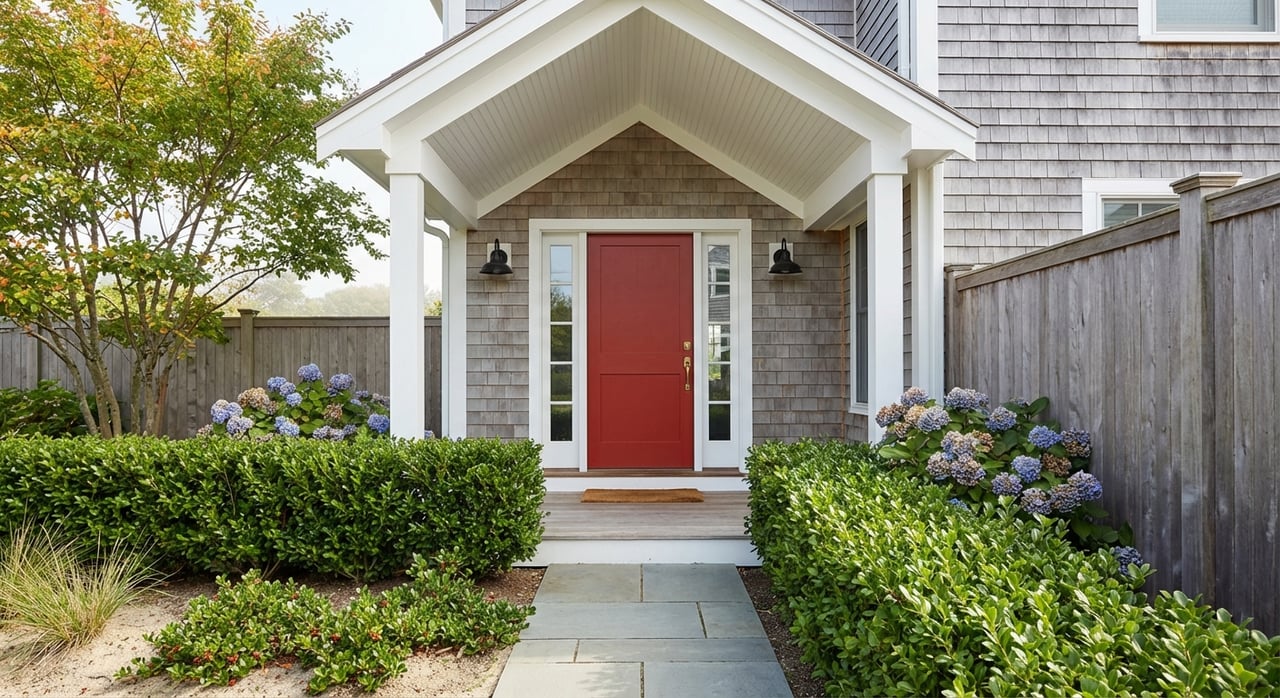
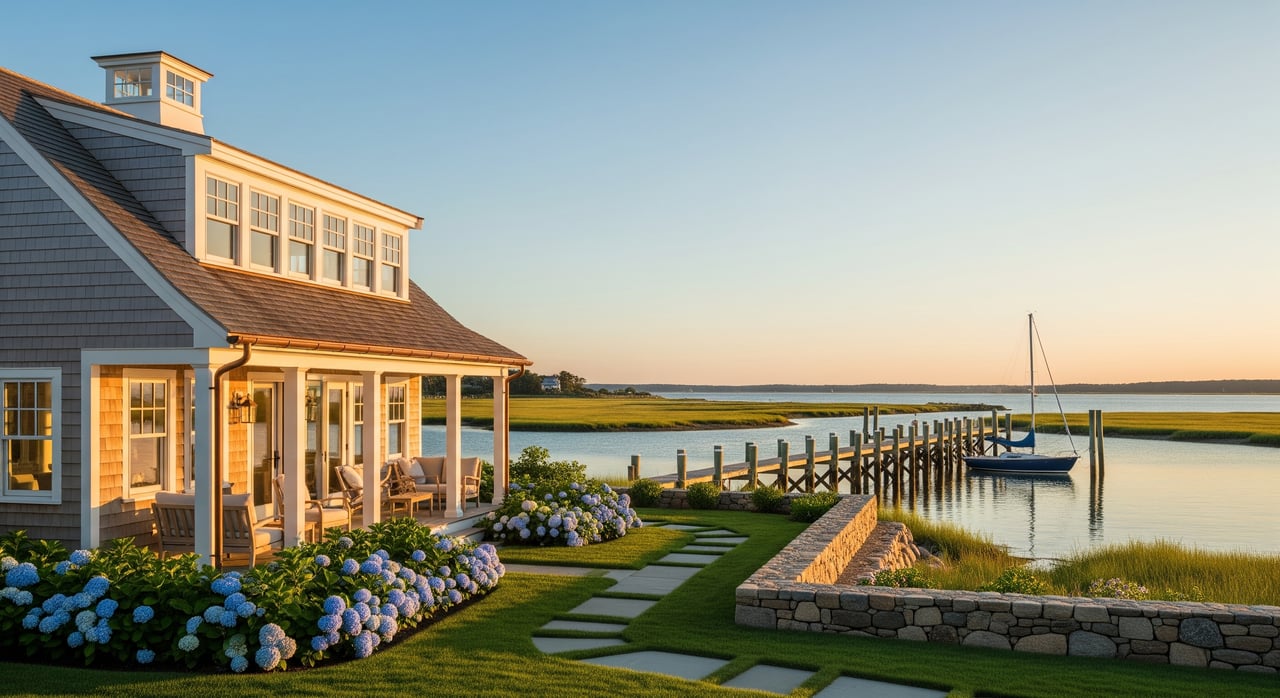
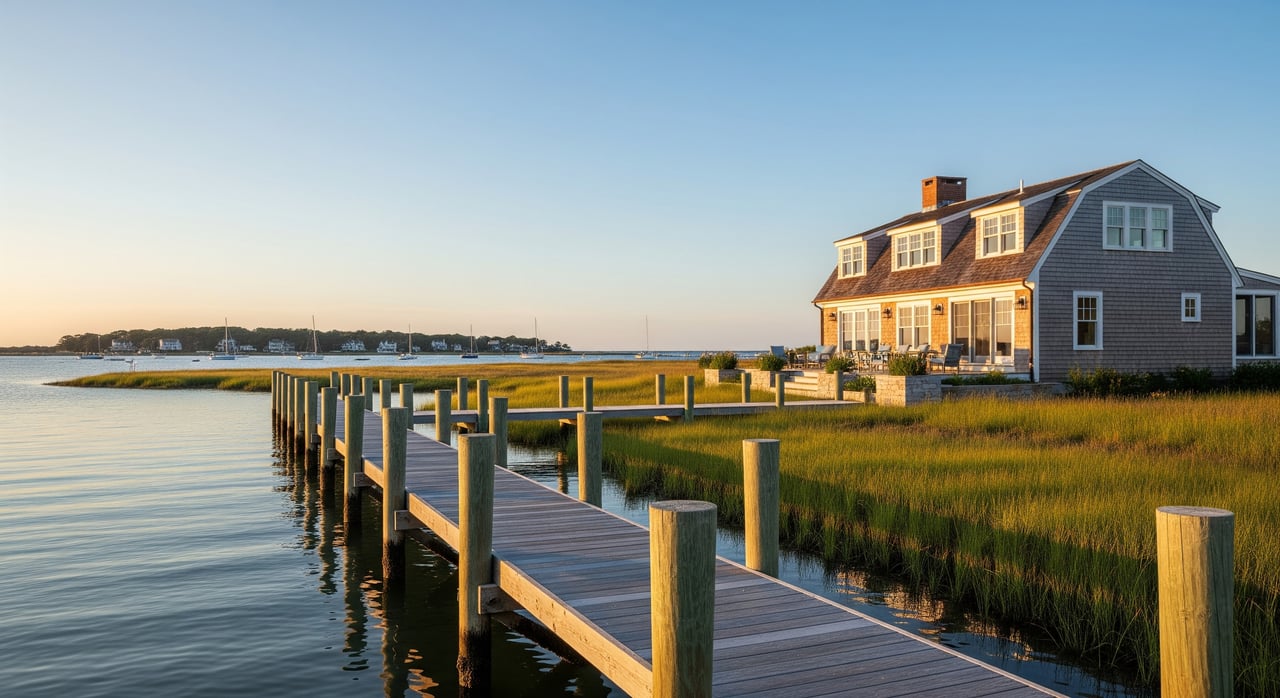
In Chatham, the first cue is the color. Natural cedar shingles fade to a soft gray under sun and salt spray, which creates the classic Cape Cod palette many buyers seek. Trim is often white or off-white, with simple railings that keep the focus on the house’s shape. Most homes keep a low to moderate profile, typically one or two stories with dormers and broad roofs that match the town’s scale.
On the street, you notice windows set in pairs or threes, porches oriented to views or breezes, and a relaxed landscape of native plants, dune grasses, stone, and crushed shell. It feels cohesive and coastal without trying too hard.
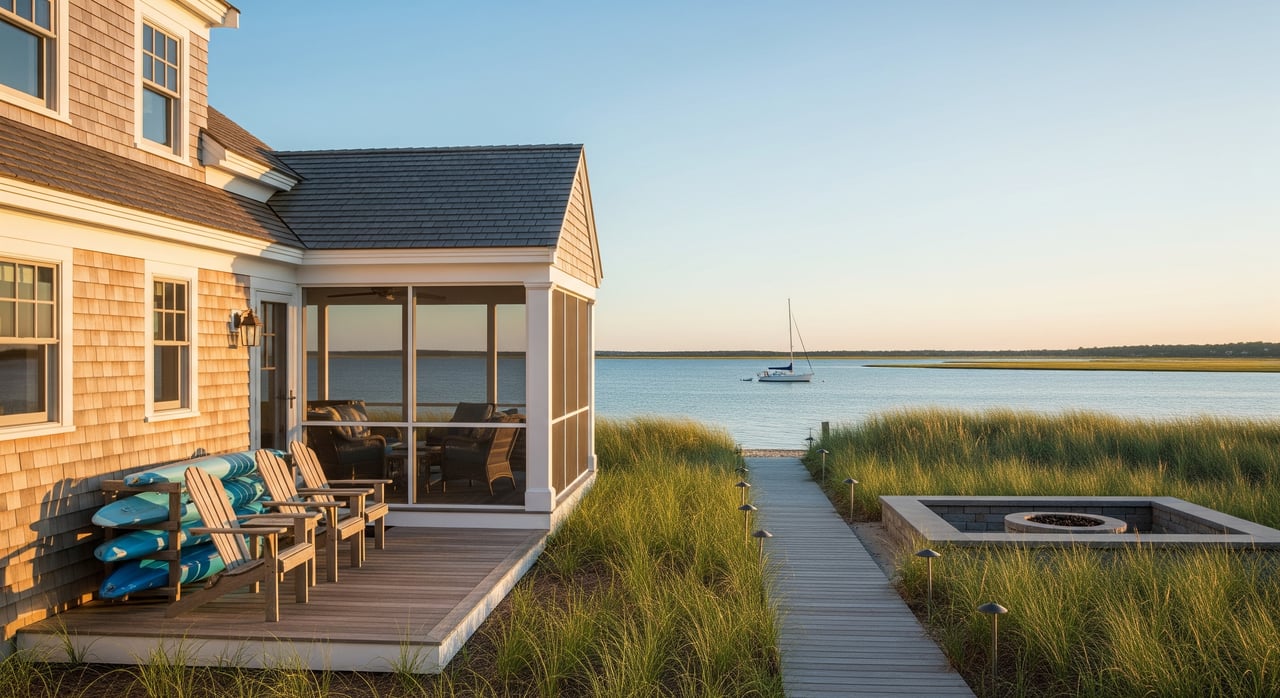
Shingle-style homes in Chatham often orient porches and outdoor spaces to capture morning light and shelter from prevailing winds. East or south exposures are common for a calm start to the day, while windward facades are kept simple and tight to handle gusts. In marsh-adjacent or low-lying areas, elevated foundations are used to meet floodplain and insurance needs. The result is a home that looks like it belongs and lives comfortably through changing weather.
Chatham’s salt air, higher average winds, strong sun, and seasonal storms are hard on exterior materials. Paints and finishes wear faster. Metal hardware and flashing can corrode more quickly. Moisture can linger where wind-driven rain finds a way in. Some parts of town fall within FEMA flood zones, and local sea-level rise and high-tide flooding are ongoing considerations. Planning for these factors protects your investment.
Cedar shingles are traditional and can last for decades as siding when moisture is managed well. As roofing, wood shingles generally have a shorter life than architectural asphalt or metal, and coastal exposure can shorten it further. Protective stains and sealants slow wear but need periodic renewal. Stainless steel or hot-dipped galvanized fasteners, along with well-designed flashing, help resist corrosion in salt air. Details like these make a noticeable difference over time.
Flood insurance can be a meaningful cost factor, and renovation plans in flood-prone areas may trigger elevation or foundation requirements. Some properties may be within historic districts or have preservation rules that guide exterior materials and window styles. Before you fall in love with a remodel idea, check local planning and historic commission guidelines so your vision aligns with the rules.
Regular, simple maintenance keeps a shingle-style home beautiful and weather-tight in Chatham’s climate. Focus on:
If you want the look with less frequent maintenance, consider durable alternatives that preserve the shingle character. Engineered or fiber-cement shingles can mimic cedar and stand up well to coastal conditions. Composite roofing products can offer the appearance of wood with longer service life. Use corrosion-resistant fasteners and stainless hardware, and add storm doors or windows and removable shutters for off-season protection. Always confirm what materials are allowed if your home sits in a design-sensitive area.
Use this list during showings or with your inspector. It ties the signature features of shingle style to comfort, durability, and long-term value in Chatham.
Exterior shingles: condition and attachment
Roof condition and materials
Fasteners and metalwork
Foundation elevation and flood risk
Window and door condition
Porch, deck, and outdoor spaces
Insulation and ventilation
Historic or preservation constraints
Landscaping and drainage
Mechanical systems and winterization
Resale and market use
Shingle-style homes in Chatham blend timeless design with practical coastal living. The continuous shingle skin, low sweeping roofs, and porch-centered layouts look right at home by the water. With smart material choices, routine maintenance, and an eye on elevation, drainage, and hardware, you can enjoy the beauty with fewer surprises. If you are buying from afar or planning a renovation, local guidance makes all the difference.
If you are ready to find the right shingle-style home or want a second opinion on maintenance and upgrades, reach out to Team Franklin. Our boutique, concierge approach helps remote and local buyers coordinate inspections, interpret coastal considerations, and close with confidence.

Get assistance in determining current property value, crafting a competitive offer, writing and negotiating a contract, and much more. Contact us today.